
“We Are in Their Home, Not the Other Way Around”

“We are in their home, not the other way around.” If you stand still at Teela, really still, you begin to notice how the Aravalli hills speak. It’s a simple idea, yet one most travel experiences miss out on. This nature resort near Jaipur is designed to enhance the land's natural beauty, not take away from it. It sits quietly within it. The air is dry, carrying the rustle of desert grasses and the occasional call of birds. A flash of electric blue moves between the Khejri trees, and a pair of Indian Bee-Eaters settle nearby, observing you with mild curiosity. This is not wildlife at a distance. This is wildlife in all its splendour, and Teela was built with that understanding at its core.
The Land Was Already Full

The land here was never empty; it was simply quiet. The semi-arid foothills of the Aravallis, one of the oldest mountain ranges on the planet, are not barren, just easily overlooked. The ecosystem is quietly and stubbornly alive. Khejri and Babool trees rise from dry earth, their roots deep and resilient. Desert grasses shift with the slightest breeze, and Pampas add texture to the rugged terrain.
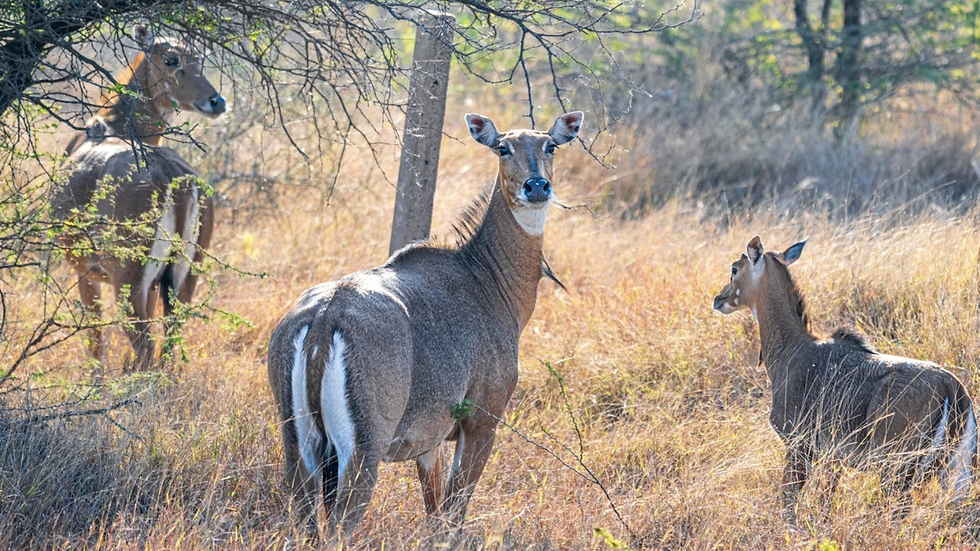
Long before the first Dome was placed here, over 200 species of birds had already made this landscape their territory: Painted Storks, Migratory Warblers, and Raptors glide above the resort, lighting up the sky with their stunning colours. Nilgais can be seen grazing along the slopes, while Jackals move through rocky outcrops, undisturbed in their natural homeland. It’s a landscape shaped by scarcity: of water, and of shade, and yet it sustains a surprising variety of life. Nothing here was waiting to be built upon; it was waiting to be explored.
Building Without Disturbing
Most resorts begin with clearing, flattening land, removing trees, and reshaping terrain into something controlled. It’s efficient. It’s also the moment living land becomes real estate.
Teela took a different approach. Building here did not begin with clearing; it began with understanding.
Not a single tree was cut. Every structure was designed around the existing landscape. Construction remained minimal, with limited machinery and a slower process that allowed the land to retain its natural purity and calmness.
Paths were not imposed; they were traced along existing routes. The result is not a resort that stands on the land, but one that lives in tandem with it. It doesn’t feel artificially constructed; it feels naturally uncovered. Guests don’t walk through a designed garden; they move through the actual Aravalli hillside, with the stay quietly embedded within it.
Why the Wildlife Comes Close

There’s a reason guests at this nature resort near Jaipur feel wildlife at its core, birds don’t scatter the moment you step outside, and the landscape doesn’t fall silent. It’s not a coincidence. It’s a benefit.
How close wildlife stays is often the clearest sign of how much a place has been disturbed. Animals, especially birds, are quick to detect change. Here, that change never came. This kind of closeness isn’t created; it’s preserved. Wildlife does not come closer because it has been drawn in; it stays because it was never pushed out.
At Teela, Indian Bee-Eaters still nest in the soil banks, while Jungle Babblers move through the scrub in their familiar, noisy flocks. Nilgai graze the lower reaches at golden hour, and Jackals pass through after dark. None of this was enforced. It was protected.
The Ecosystem You’re Staying In
To understand what makes this landscape feel so alive, it helps to look closer at what a semi-arid Aravalli hillside holds.
Khejri trees form the backbone of this ecosystem, sustaining a network of insects, birds, and mammals. Babool grows in dense, thorny clusters that provide nesting cover for smaller birds. Desert grasses and Pampas create an open middle layer where movement happens, and animals thrive in their natural ecosystem.
What you experience here is not a landscaped version of nature. It is a functioning Aravalli ecosystem, intact, self-sustaining, and still in rhythm with itself.
What It Means to Be the Guest
There’s a shift that happens when you spend time at Teela and immerse yourself in its surroundings. Nothing here has been rearranged for your arrival. The trees, the paths, the wildlife, they have always been here, moving through the same rhythms.
You begin to notice small things: a Raptor circling above the ridge, a flicker of movement in the scrub that doesn’t immediately disappear. The landscape holds a certain ease, an absence of the skittishness seen in places under constant disturbance.
To stay here is to step into that rhythm, however briefly. To wake up in a space that doesn’t belong to you.
At this nature resort near Jaipur, you are a guest in the most literal sense. Nothing here was created for your arrival. The rhythms you step into will continue long after you leave. What you experience isn’t something that was built; it’s something that was preserved.
Plan your stay at Teela and experience nature, undisturbed.
FAQ
How many bird species can be spotted at Teela Resort?
Over 200 bird species have been recorded around Teela’s Aravalli hillside. This semi-arid ecosystem supports a mix of resident and migratory birds, including Indian Bee-Eaters, Jungle Babblers, Painted Storks, and Raptors.
Is Teela Resort eco-friendly?
Yes. Teela follows a no-disturbance approach; no trees were cut, minimal machinery was used, and structures follow the land’s natural contours. It also employs local staff and runs regular waste management practices.
What wildlife can you see near the Aravalli hills at Teela?
Guests often spot Nilgai, Jackals, Indian Bee-Eaters, Jungle Babblers, and many migratory birds. Since the habitat remains undisturbed, wildlife is often seen up close, especially in the early morning and at golden hour.
Was any land cleared to build Teela Resort?
No. Teela follows a strict no-tree-cut policy. All structures were designed around the existing landscape, allowing wildlife to continue using the area naturally.


Comments